"Halo effect" is the one term to care about most if you don't want your brand erased from the market in the next era of e-commerce. The halo effect is the traffic that spills from TikTok creators to retail — Amazon, Walmart, everywhere — when a product takes off. And it doesn't stay in one place: it changes how much inventory you need, what keywords rank, and even which countries start wanting your product. The brands that measure and predict it will out-stock and out-rank the ones that don't. Here's every place the halo hits, and how to quantify and predict it by category and product with the Asgard TikTok API and Amazon API.
Quick answer
- What it is: TikTok creator demand spilling over to retail — Amazon, Walmart, and beyond.
- Why it's existential: brands that don't track it get out-stocked and out-ranked, and quietly erased.
- Where it hits: Amazon inventory, keyword search volume, brand-new keywords, retail sales and inventory, and untapped-country demand.
- The opportunity: quantify and predict the halo by category and product level, before the wave lands.
- How: read TikTok comment/creator signals with the Asgard TikTok API and validate against the Amazon API.
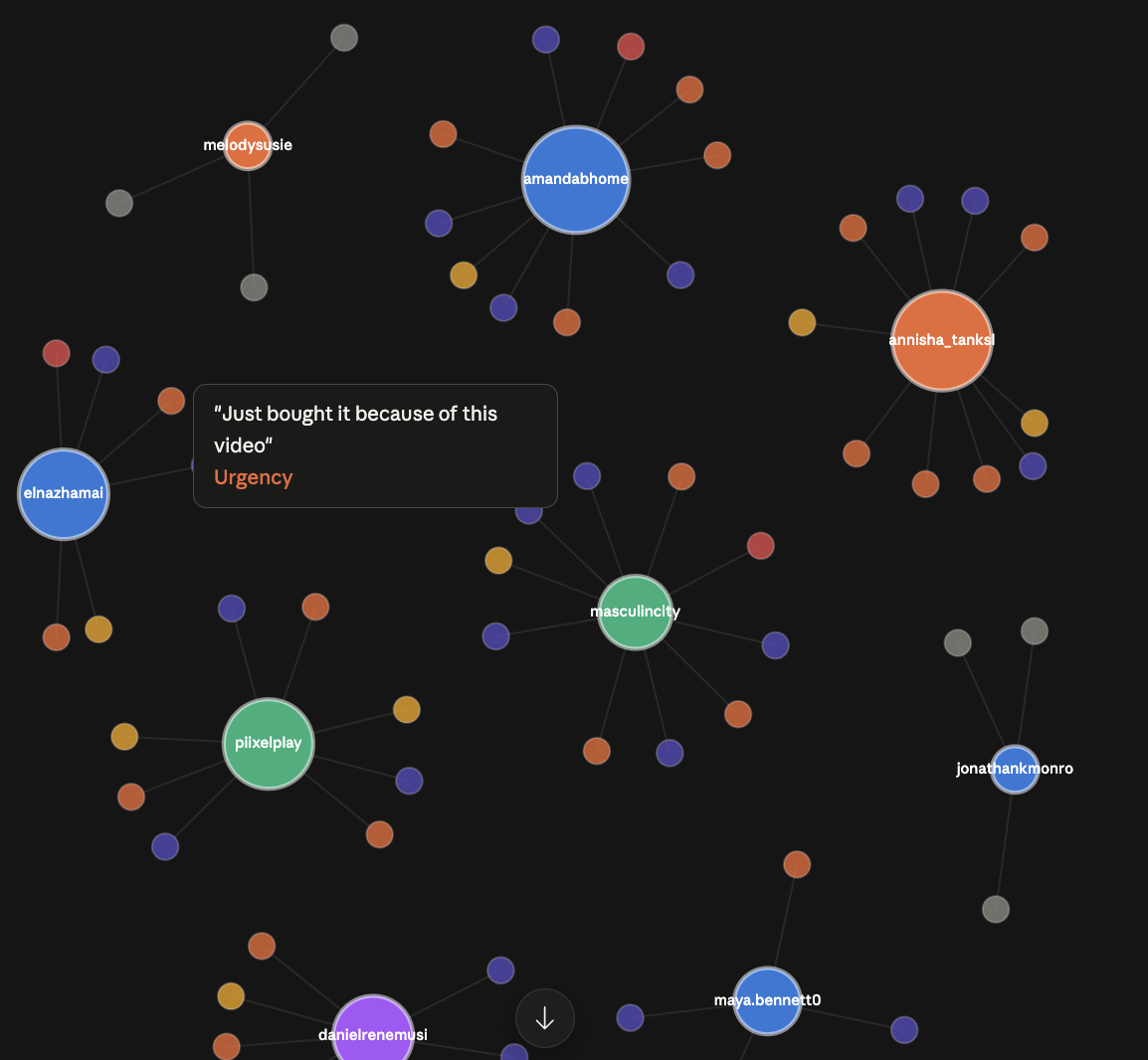
Everywhere the halo effect hits
- Amazon inventory needs. A TikTok surge can drastically change how much stock you must hold on Amazon. Miss it and you stock out at the exact moment demand peaks — handing sales and rank to competitors.
- Keyword search-volume spikes. As a video spreads, searches for the product spike on Amazon. Tracking the spike early lets you bid and optimize before costs and competition catch up.
- Brand-new keywords. Creators invent language — nicknames, use-cases, descriptors — and shoppers search those exact terms on Amazon. New keywords pop off that never existed in your listings.
- Retail sales spikes. The demand doesn't stop at Amazon; Walmart and other retail channels spike too, often without any obvious cause in your own data.
- Retail inventory. Every channel where the halo lands needs its own inventory planning, not just your DTC store.
- Untapped-country demand. Comments reveal shoppers in countries where you're not even available yet — a demand-ranked map of where to expand next.
Takeaway: the halo effect isn't a marketing curiosity — it's an operations problem touching inventory, advertising, listings, and expansion all at once.
Why ignoring it erases brands
- Stockouts at peak demand. The worst time to run out is when a video is going viral — and that's exactly when unprepared brands do.
- Losing the new keywords. If shoppers search a creator's term and your listing doesn't rank for it, a competitor captures the demand you created.
- Blind to retail spikes. Demand shows up in channels you don't monitor, so you never connect the cause to the effect.
- Leaving countries on the table. Interest in unavailable markets goes unanswered while a faster competitor opens shipping first.
How to quantify and predict the halo
- Monitor the creators in your category. Use the hashtag, search, and profile endpoints to track the videos driving demand.
- Scrape the comment signals. Pull comments with the comments endpoint and score halo intent — "just bought it because of this video", "ordered on Amazon", plus the country mentions.
- Extract the emerging keywords. Mine how creators and commenters describe the product to catch the new search terms before they trend.
- Validate against Amazon. Track rank, search volume, and Buy Box with the Amazon API to confirm the wave and size it.
- Predict by category and product. Turn the combined signal into a per-product, per-category forecast so inventory, ads, and listings are ready before the spike.
Frequently asked questions
What is the halo effect in e-commerce? It's the traffic and demand that spills from TikTok creators to retail — Amazon, Walmart, and beyond — when a product goes viral. The demand is created on TikTok but converts on retail, which is why it's easy to miss and so important to track.
Why does the halo effect matter so much? Because it reshapes inventory, keyword rankings, retail sales, and expansion all at once. Brands that measure and predict it stay in stock and rank for the right keywords; brands that ignore it get out-stocked and out-ranked.
Can the halo effect be predicted? Yes — by scoring TikTok comment and creator signals with the Asgard TikTok API and validating against Amazon data via the Amazon API, you can quantify and forecast it at the category and product level before the retail spike hits.
How does the halo create new Amazon keywords? Creators describe products in their own words — nicknames, use-cases, descriptors — and viewers search those exact phrases on Amazon. Mining that language surfaces brand-new keywords to add to your listings before competitors do.
Related reading
- The TikTok → Amazon halo effect: track it from the comments
- The objection goldmine hiding in TikTok comments
- TikTok Shop reviews are the next consumer-intelligence goldmine
Quantify the halo before it erases your rank:
☞ Asgard TikTok API + Amazon API · docs at asgardata.com